

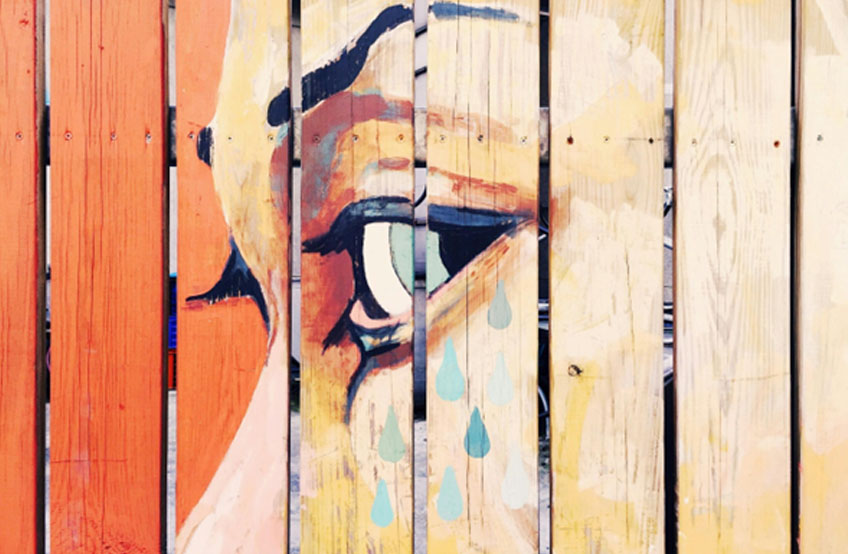
Tears are not signs of weakness — they are reflections of depth. They carry the essence of what touches us, moves us, and sometimes breaks us. Yet, not every tear deserves to be shed for every situation, person, or purpose. When we pour our emotions into unworthy spaces — those that drain rather than nurture us — we end up feeling depleted instead of healed. The journey, therefore, is not about stopping our tears but about understanding why and for whom we cry.
Unworthy Tears and the Wisdom Within
Every tear has a story — but not every story deserves the same emotional investment. Sometimes we cry for people who never valued our presence, situations that no longer serve our growth, or purposes that have lost their meaning. These tears, though heartfelt, often keep us chained to cycles of pain and helplessness.
What if we paused to ask: Why am I crying? What part of me feels unseen, unheard, or unhealed?
This is where awareness begins — not as an act of self-blame but as an act of self-compassion.
Identifying Internal and External Triggers
Our tears often come from two realms — the internal and the external.
- Internal triggers arise from our own beliefs, memories, and emotional wounds. These are moments when tears flow not because of what’s happening now but because something deep within us has been touched — a memory of rejection, guilt, loneliness, or loss.
- External triggers stem from people, environments, or events that challenge our sense of worth, safety, or belonging. They remind us of our vulnerabilities and invite us to re-examine what we allow into our lives.
When we consciously identify these triggers, we begin to separate what truly deserves our emotional energy from what merely drains it.
The Tear Mandala: A Healing Practice
The Tear Mandala is a beautiful self-reflective art practice that transforms emotional pain into awareness.
Here’s how to engage with it:
- Draw a Mandala — a circular design that symbolizes wholeness and the cycles of life.
- Divide it into two sections — one for internal triggers and the other for external triggers.
- Write within each section the situations, memories, or people that make you cry or leave you emotionally unsettled.
- Observe the patterns — Do most tears come from your inner stories or external interactions? What themes repeat?
The Mandala becomes a mirror — a safe space where emotions are no longer scattered or chaotic but held and understood.
From Crying to Clarity
Once you see your Tear Mandala, you may realize that not every tear is a call for sorrow — some are invitations to release, to let go, to reclaim your power.
You’ll also notice how some triggers lose their intensity when you name them. Awareness has that magic — it converts confusion into calm, hurt into healing, and tears into transformation.
A Gentle Reminder
Don’t shed your tears for unworthy people, unworthy situations, or undeserving purposes.
Instead, let your tears become sacred messengers — guiding you toward the people, spaces, and purposes that nurture your growth and honor your heart.
Because once you learn where your tears come from, you also learn where your peace resides.
Ranjitha Raj